Underperforming High Priced Quarterback
Buyer’s Remorse
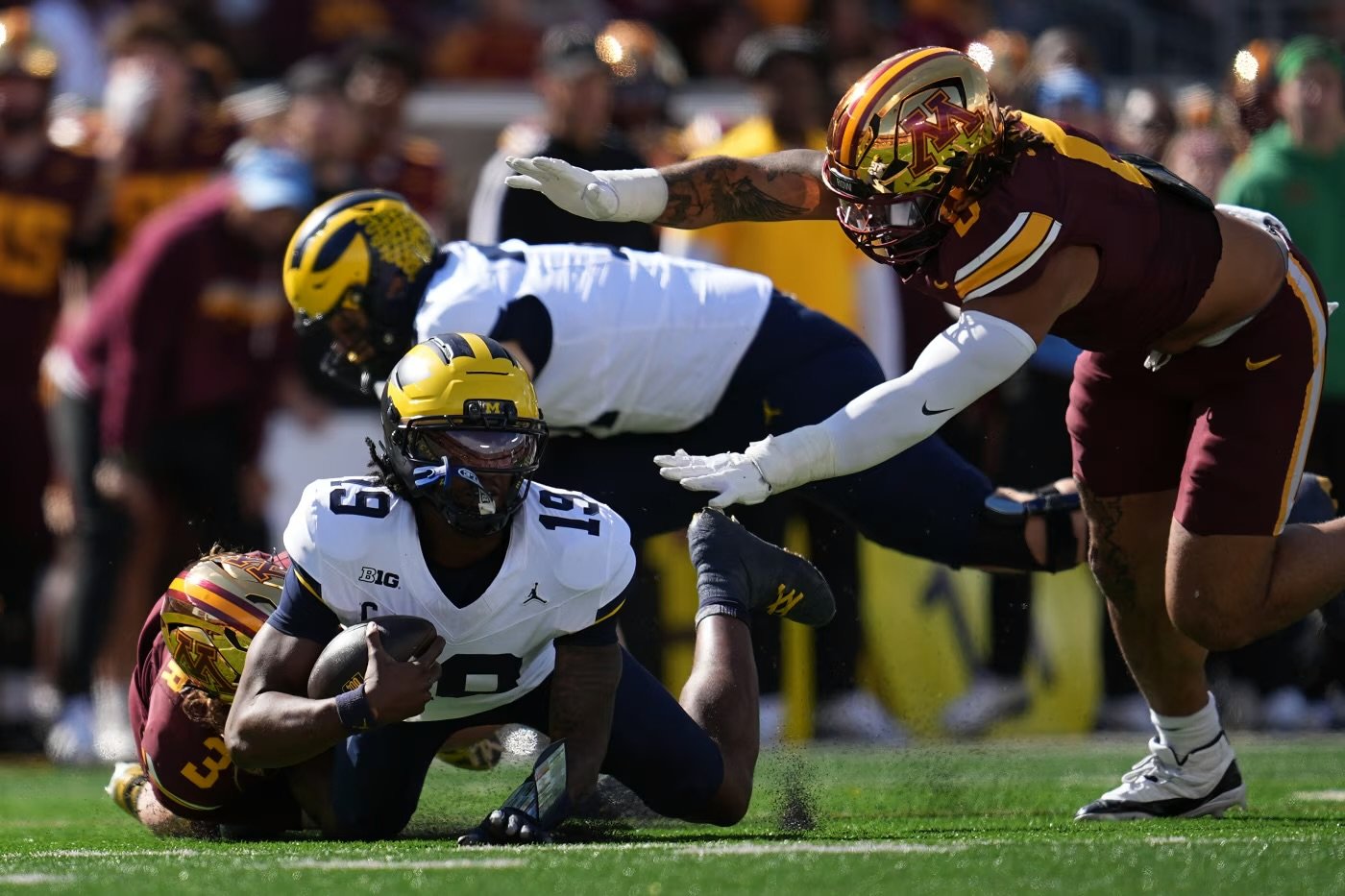
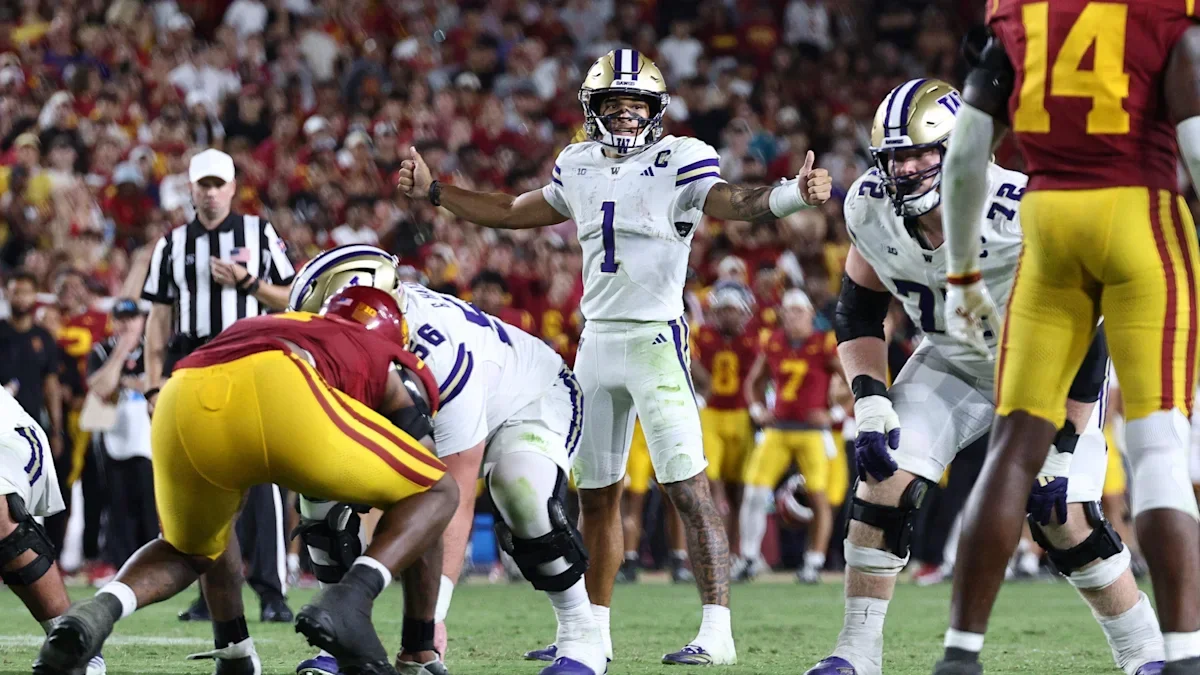
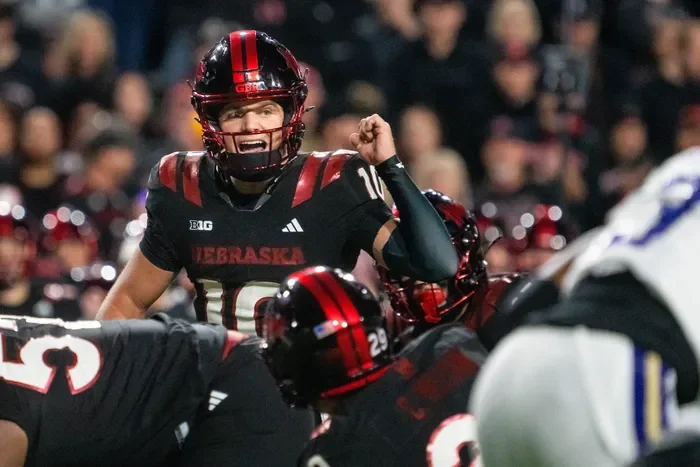
It was bound to happen with all of the crazy money being offered for the services of highly recruited high school or transfer quarterbacks meant to power and lead their respective football teams to wins and championships. Prominent college quarterbacks come to mind in Michigan’s Bryce Underwood, Washington’s Demond Williams Jr., Nebraska’s Anthony Colandrea, and Oklahoma’s John Mateer.
If an accountant were to run the numbers based on the disappointing performance on the field for these highly paid college quarterbacks and the amount of money they earn from NIL sponsorships and boosters, the results do not add up. Many of these wealthy football programs are not getting their money’s worth. Increasing discontent has been heard from wealthy NIL sponsors at schools such as Texas Tech who are dissatisfied with the losses and poor performances. These sponsors are not getting a return on their investment.
A Poor Business Model
Successful business models often involve an investor who expects to get return for the money they put into a business or concept. They would not invest money if they did not believe in the probability of earning a profit. This is simply poor business practices. In the case of wealthy college football boosters and sponsors, they wish to play a key and influential role in the football success of their respective schools.
Wealthy Sponsors
In the case of wealthy sponsors and supporters of college football programs, the motivation is to contribute money which will result in a winning program, league championships, additional revenue, and national media coverage. In many ways, these wealthy sponsors and supporters view themselves as de facto “owners” of these college football programs and feed off of being a “program insider” and the status of athletic success. Oregon’s Phil Knight and the late T. Boone Price at Oklahoma State come to mind as wealthy individuals who invested a considerable amount of money to those respective college football programs resulting in success and national prominence.
Not Getting a Return
The bottom line is that many of these well financed college football programs with highly paid players have been a disappointment and their teams have not performed on the field. NIL and the Transfer Portal have eliminated any talk of “rebuilding projects” of 4 years with new head coaches. If wealthy NIL sponsors and boosters get involved, they want an immediate return on their investments. Unhappy and frustrated NIL boosters and sponsors will now get an immediate meeting with college athletic directors in today’s college sports.
College football has become the NFL 2.0, which is sad. What was meant to equalize college football (NIL) and be fair to student-athletes, has only increased the gap between haves and have not programs.
True College Football, November 2, 2026